Published ·
Openresti Editorial Desk4 min read
Cybersecurity's New Frontier: From Reactive Patching to Proactive, AI-Driven Defense
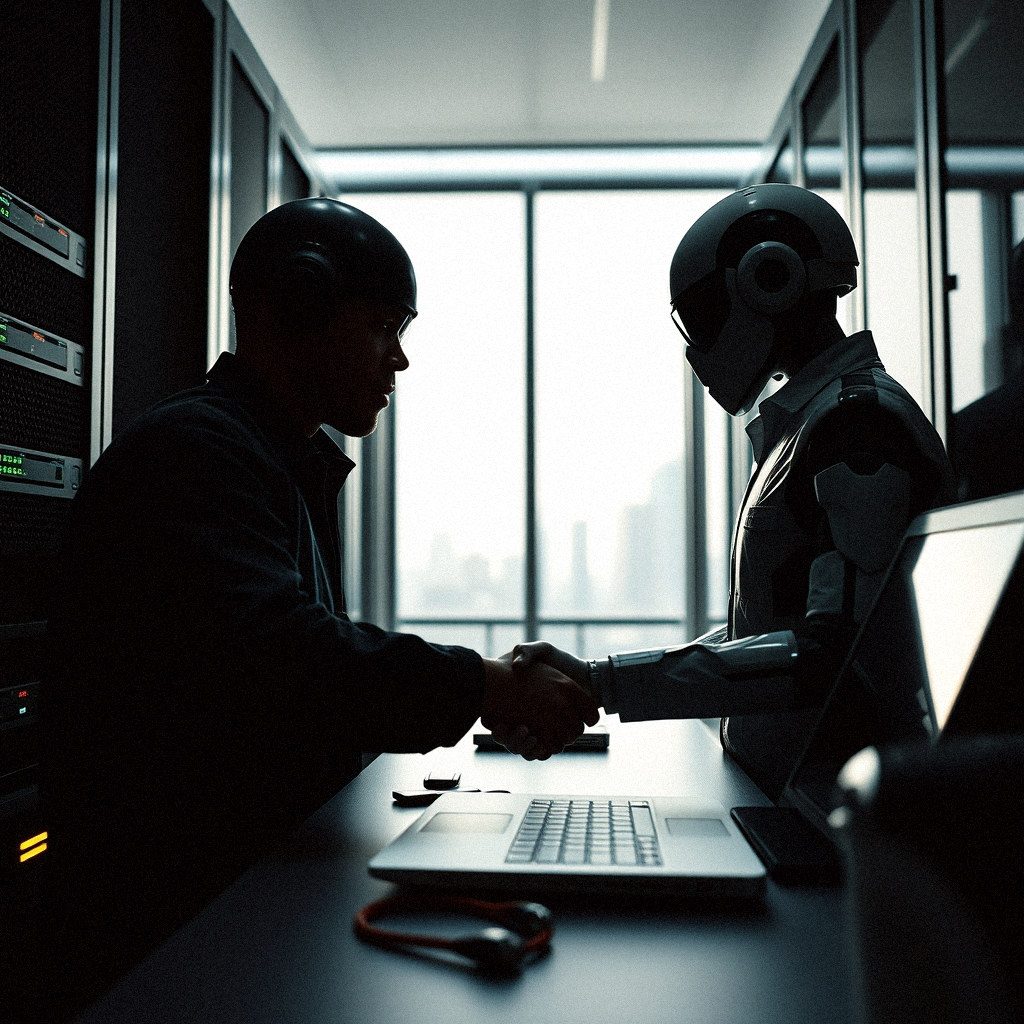
Recent developments reveal a fundamental shift in cybersecurity: from reacting to threats with patches to building proactive, AI-enhanced, and automated defense systems that can keep pace with machine-speed attacks.
Show article sections
The Persistent Threat of Exploited Vulnerabilities
The recent CISA advisory on a critical vulnerability in BeyondTrust Remote Support underscores a harsh reality: cyber threat actors are quick to weaponize known flaws. The fact that CVE-2026-102764 was added to the Known Exploited Vulnerabilities catalog within days of its disclosure indicates that attackers are not only sophisticated but also highly efficient at turning vulnerabilities into footholds for deeper network compromise.
This pattern of rapid exploitation challenges the traditional patch management cycle. Organizations often struggle to apply patches before attackers strike, especially when legacy systems require upgrades before patching. The advisory's note that older versions must be upgraded first highlights a common operational bottleneck: technical debt in software versions can delay critical security fixes, leaving systems exposed for extended periods.
The Rise of Non-Human Identities and the Need for Scalable Perimeters
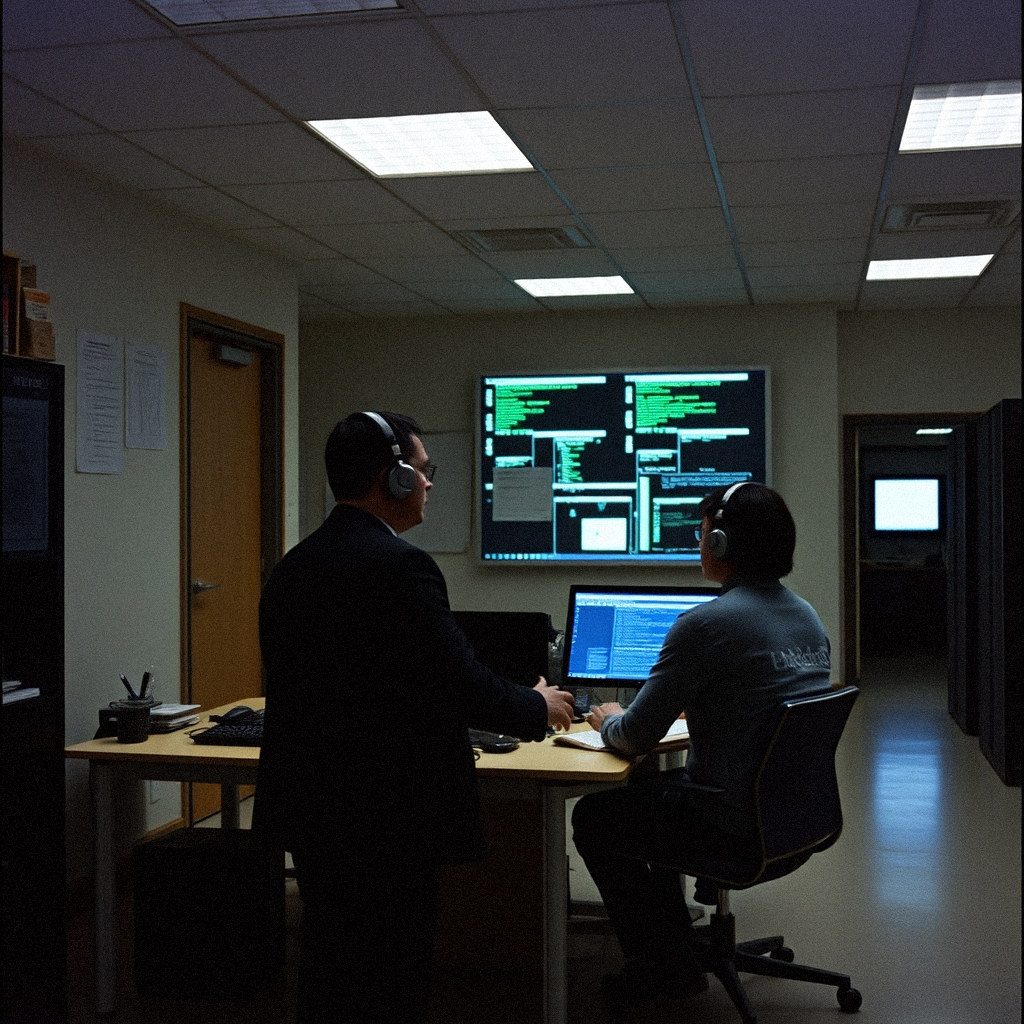
Google Cloud's announcement on VPC Service Controls enhancements addresses a growing concern: the proliferation of non-human identities (NHIs) such as AI agents. These agents operate at machine speed, making traditional, manually configured network perimeters inadequate. The blog post argues that overly permissive perimeters invite data theft, while overly strict ones hinder development, creating a delicate balance that demands new approaches.
The shift toward scalable perimeters reflects a broader industry trend toward zero trust architectures. By treating every access request as potentially hostile and enforcing granular, context-aware policies, organizations can better contain the blast radius of a breach. This is particularly crucial as AI agents increasingly interact with sensitive data across cloud environments, where lateral movement can be swift and devastating.
Compliance and Automation: Streamlining Security in Regulated Industries
AWS Security Hub's support for the Cyber Risk Institute (CRI) profile v2.2 is a significant step for financial services. The CRI profile harmonizes multiple regulatory requirements into a single framework, allowing organizations to assess once and report to many. By automating 404 controls, AWS reduces the manual burden of compliance, enabling security teams to focus on higher-value tasks.
However, the note that some requirements still need manual checks reveals the limits of automation. While technology can handle repetitive checks, human judgment remains essential for nuanced risk assessments. This hybrid approach—automated where possible, manual where necessary—is likely to become the norm as regulations evolve and cyber threats grow more complex.
AI as a Force Multiplier in Security Operations
Block's use of OpenAI technology to accelerate threat investigation and patch proposal illustrates the potential of AI to augment human analysts. By reducing the time from detection to remediation, AI can help organizations keep pace with attackers who exploit vulnerabilities within hours. This is not about replacing humans but empowering them to work faster and more effectively.
The broader implication is that AI-driven security tools will become indispensable. As attack surfaces expand and the volume of alerts grows, only intelligent automation can triage and prioritize effectively. The challenge lies in ensuring that these AI systems are themselves secure and that their outputs are trustworthy, avoiding the risk of automated false positives or adversarial manipulation.

Synthesizing the Trends: Toward a Proactive Security Posture
These separate developments collectively point to a paradigm shift: cybersecurity is moving from a reactive, patch-and-pray model to a proactive, intelligence-driven discipline. The CISA advisory shows the cost of falling behind; Google Cloud and AWS demonstrate how infrastructure can be designed to limit damage; and Block shows how AI can speed up response. Together, they suggest that resilience depends on a combination of timely patching, robust architecture, and intelligent automation.
Yet, this shift is not without challenges. Organizations must navigate the complexities of integrating new tools, managing non-human identities, and ensuring that automation does not introduce new risks. The human element remains critical—not only in making judgment calls but also in overseeing AI systems and maintaining the ethical use of data.
A Durable Question for the Future
As we consider these developments, a durable question emerges: How can organizations balance the speed of automated defense with the need for human oversight and accountability? This question will shape the next decade of cybersecurity, as AI becomes more embedded in security operations and as attackers themselves adopt AI to enhance their tactics.
The answer will likely involve a combination of technological innovation, regulatory evolution, and cultural change within security teams. Those who can integrate AI and automation without losing sight of human judgment will be best positioned to defend against the threats of tomorrow.

Your turn
What did you take from this analysis?
Mark what worked, save it for later or share it with someone who would value the context.
Openresti / Sources
Sources and further reading
- CISA Cybersecurity Advisories: CISA Urges Patching Critical Vulnerability in BeyondTrust Remote Support
- Google Cloud Blog: Modernizing perimeter security: Scalable perimeters with VPC Service Controls
- AWS What's New: AWS Security Hub CSPM now supports the Cyber Risk Institute profile version 2.2
- OpenAI News: How Block is building AI-powered security with OpenAI technology
Related analysis

Shifting Security Posture: From Detection to Continuous Accountability
Recent security announcements show a shift toward continuous, behavior-based protection across infrastructure, databases, and bots. This analysis explores the implications for risk management and the need for adaptive security strategies.
Back to all stories
Cybersecurity, AI, and the Evolving Risk Landscape
Recent developments in vulnerability management, AI-driven security operations, and simplified cloud access reveal a complex interplay between innovation and risk. Organizations must balance agility with robust security practices.
Back to all stories
From Patching to AI: How Cybersecurity Defense Is Evolving
Recent developments in vulnerability management, AI-driven analysis, and infrastructure security reveal a shift toward proactive and automated defense. This analysis explores the broader implications for organizations navigating an increasingly complex threat landscape.
Back to all stories